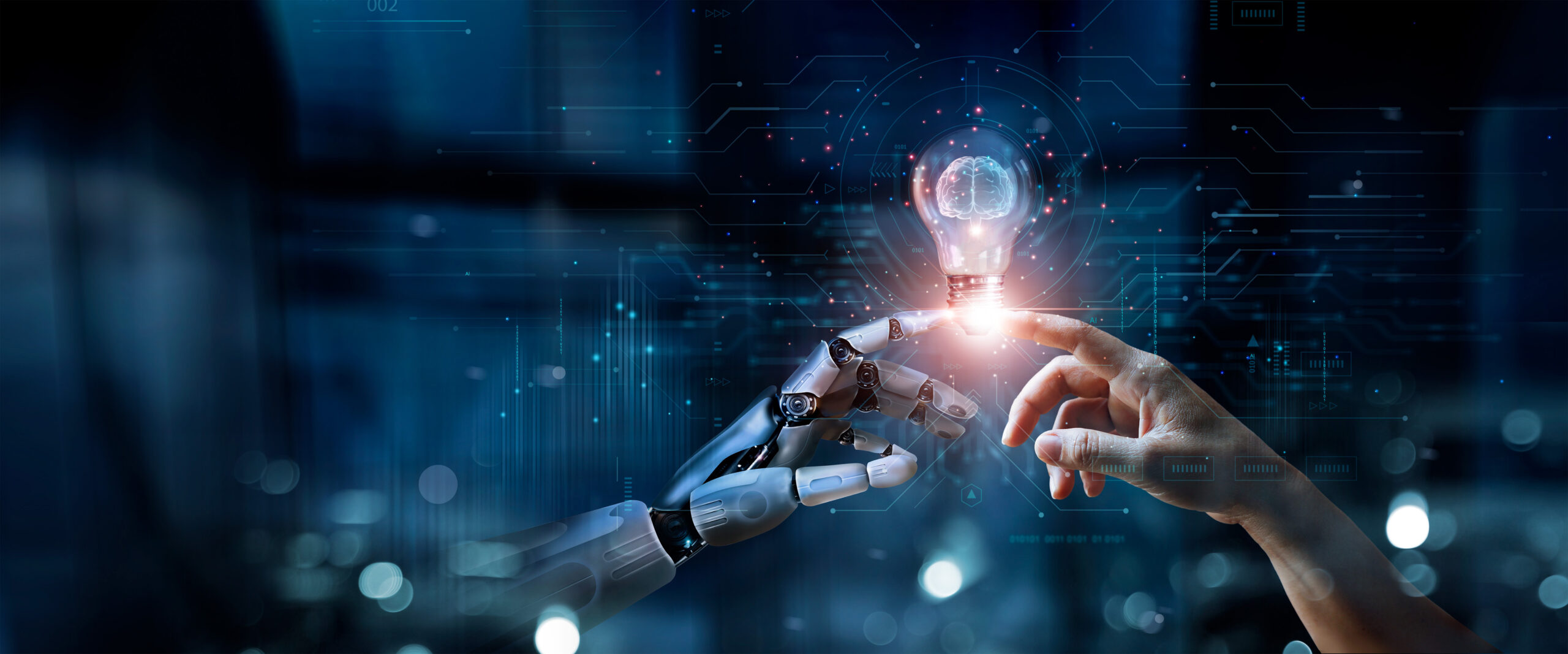
In the past, artificial intelligence was an amazing achievement for humanity — a technology that was intended to ease our lives. Now, as it has become an everyday aspect of our lives, it is a subject that comes up frequently: Are we paying excessively for this luxury? AI does more than just help us; it also alters our minds and our view of the world and how we think. These changes are subtle in a gradual manner, but they are inevitable.
Table of Contents
How Algorithms Reprogram the Mind
We are constantly in contact with systems that decide for us: which news stories to read and who to tune in to or pay close attention to. Social media affects our perception of reality. The news feed is mirrors that reflect not what is actually happening, but rather our individual behavior. AI is able to adjust to our emotions and, in this way, regulates the way we feel.
As time passes, human beings begin to lose the ability to think critically. For instance, if an algorithm recommends a certain movie or article, it is deemed to be the right decision in all aspects. This is the way in which the phenomenon known as “intellectual atrophy” occurs.The brain ceases to train because all the analysis work is performed by machines. The dependence on prompts, ie, normal, and thinking independently becomes an effort.
Emotional Isolation and the “Digital Loneliness” Effect
AI makes it appear as communicating, but in reality, it takes over communication. We type to chatbots as well as listen to voice assistants read the automated responses — and become accustomed to predictable, unconstrained interactions. The human brain needs genuine emotions, including tone, pauses, and uncertainty. In the absence of them, the fervor of connection diminishes, and an empty emotional space shows up.
Psychologists are already talking of “digital loneliness,” which is a state in which a person feels connected to technology but is isolated from others. It manifests as feelings of apathy, sadness, and a feeling that life is boring, like the virtual world. People who utilize AI begin to see emotional reassurance from machines, which eventually reduces their level of empathy.
Loss of Control and the Devaluation of the Self
If an algorithm is able to know more about us than we ourselves, our sense of control starts to diminish. We are unable to comprehend why we look at a specific advertisement, article, or even a suggestion. AI is a silent influence on our perception of the world, and we just believe it to be our own. So, our illusion of autonomy takes shape because each “independent” choice is the result of a computation that is based on the server of someone else.
The most dangerous aspect is the loss of self-esteem. Machines that mimic human creativity cause us to doubt our own uniqueness. Some people start to think that their drawings, thoughts, or even texts are no more valuable than those created by machines. This causes an anxiety-like feeling, a feeling of inadequacy, and occasionally, an actual depression.
When Trust in the Machine Becomes a Threat
Stories of people who blindly trust artificial intelligence have now become a global issue. Automobiles that have crashed because of autopilot malfunctions. Medical systems that have misinterpreted test results. Chatbots that advised users to take dangerous actions. The problem isn’t confined to the algorithms but in the willingness of people to let go of their responsibility.
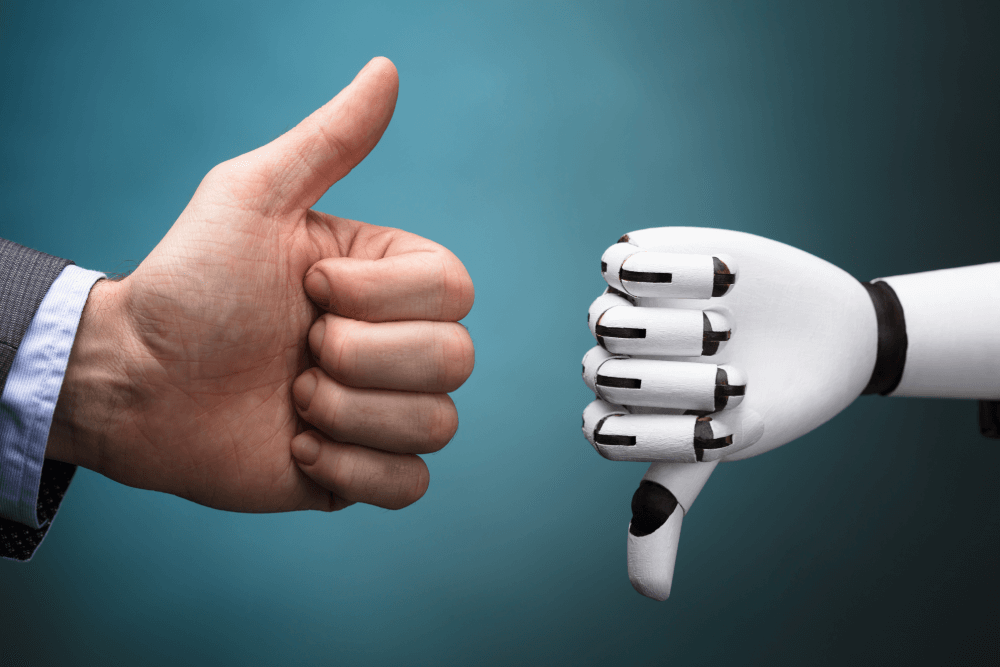
We are conditioned to believe that machines are more efficient and more precise. It is more rational, and thus, it is better. However, trust in machines can cause us to lose our self-esteem. If AI decides and we just click “confirm,” the line between us and technology blurs. We are no longer in control of the process; we are a part of it.
How to Preserve Yourself in a World of Machines
AI isn’t bad. However, its power needs to be balanced. This balance comes through conscious use when technology aids humans rather than replacing them. It’s not a bad idea to embrace innovation; however, we need to be able to define boundaries so that AI remains a tool, not a teacher.
We must regain the abilities that are slowly disappearing in Critical thinking and empathy, as welland the ability to think critically. We need to remind ourselves that no machine can feel joy, pain, or love, and, therefore, is unable to determine on our behalf what is right or essential.
When Technology Must Be Returned to Humanity
If artificial intelligence is affecting the human race more deeply than we realize, the best way to combat it is not to combat it, but instead to let it work for our own purposes. Create systems that don’t make thinking easier; they instead help us to think more deeply.