
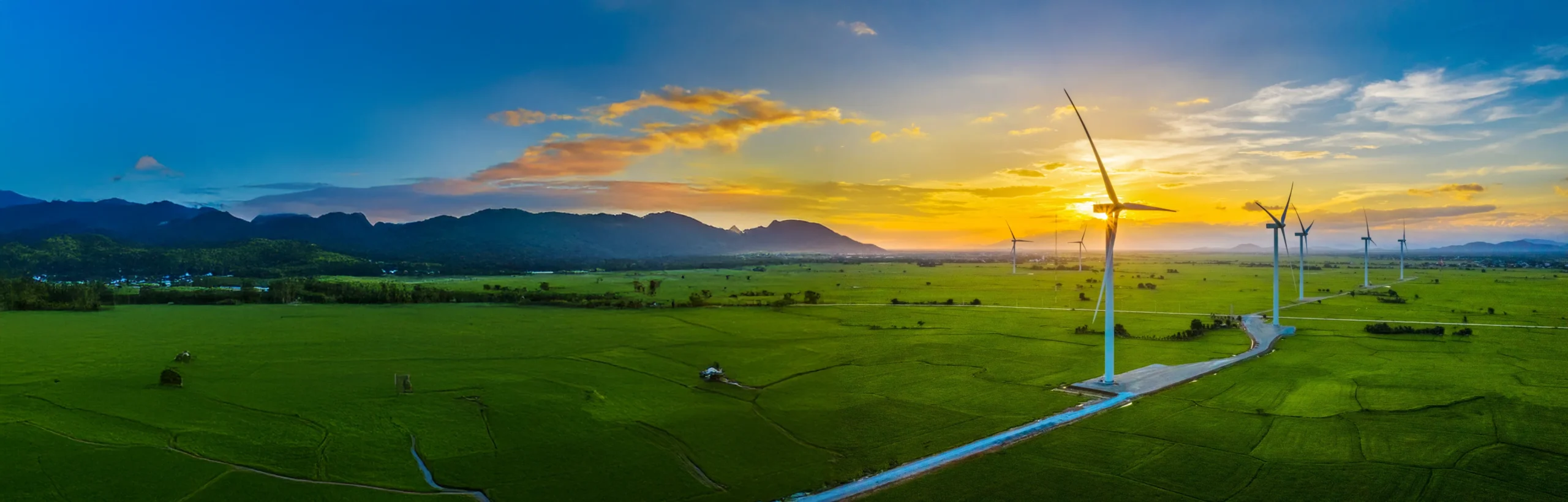
The transition to sustainable energy is now an essential global concern that is driven by the rising impacts of climate change as well as the need to drastically reduce carbon emissions. In the world, companies, governments, and even individuals are turning to renewable energy sources in order to ensure an environmentally sustainable future. This shift is driven by technological advancements and innovative developments that are changing the way energy is generated, stored, and utilized.
Rise of Renewable Energy Rise of Renewable Energy
The renewable energy sector is a major factor in the direction of sustainable development. Solar energy, specifically, is now more readily available due to advances in photovoltaic technologies and the decrease in costsofn solar panels. Onshore wind power, as well as offshore, is also growing rapidly, with the latest turbine designs offering greater efficiency and reducing the environmental impact. Countries such as the United States, China, and Germany are on the cutting edge in the development of large-scale solar farms as well as wind turbines, and are setting the standard for the world.
Hydropower is a long-standing green energy option that is currently being rejuvenated using new technologies such as green turbines and smaller-scale units that limit disturbance to ecosystems. Together, the renewable energy options are helping to build the basis for the global effort to reduce dependence upon fossil fuels.
Storage of Energy: The Essential Part of Reliability
One of the most difficult aspects is its unstable nature. Solar panels require sunlight, and wind turbines rely on the wind. The technology for energy storage is filling this gap, and allowing excess energy to be storedford future use. Lithium-ion batteries are used extensively in both industries, and homes have seen dramatic improvement in the cost, efficiency,y as well as the ability to scale.
New technologies, like flow batteries and solid-state battery are set to expand energy storage to a higher level. These breakthroughs promise greater energy density, speedier charging times, es and longer life spans, which means renewable energy sources are more reliable and readily available.
Hydrogen is: The Fuel of the Future
Hydrogen is being viewed as an energy source that is versatile. Green hydrogen, produced through the splitting of water using green energy sources, offers a significant potential to reduce carbon emissions in industries such as cement and steel production,n which are usually difficultmakeeate sustainable. The fuel cell technology of Hydrogen is becoming a popular zero-emission alternative to powering vehicles and heavy equipment, in addition to the increasing use of electric vehicles and electric vehicle chargers.
Smart Grids and Digital Energy
Digital technologies and smart grids have transformed the distribution of energy and consumption. They provide real-time information and optimize the flow of energy, decreasing energy waste and increasing efficiency. Through the integration of artificial intelligence and machine-learning, intelligent grids are able to anticipate energy demand and manage renewable energy inputs efficiently.
Blockchain technology adds a new level of innovation, allowing the peer-to-peer trading of energy. This system of decentralization lets individuals sell and buy the surplus energy they have, creating communities and encouraging greater acceptance of green energy solutions.
Changes in policies that drive change
Regional and global policies are playing an important part in advancing sustainable energy strategies. Agreements like those of the Paris Accord and various net-zero commitments are urging countries to make investments in renewable energy. Grants, incentives, or public-private partnerships have been driving innovation and promoting the creation of renewable energy projects.
By 2026, the worldwide drive for sustainable energy has changed from ambitious promises to a high-risk “execution stage”. As renewable energy resources continue to expand, the industry is currently navigatingan “sharp reset” which is marked by supply chain frictions between geopolitics and a booming demand due to Artificial Intelligence, and a shift towards energy security.
Most Sustainable Energy Trends for 2026
- AI-Driven Grid Transformation: AI has evolved into an integral “brain” of the modern energy systems, which are used for real-time grid balancing, predictive maintenance, and coordinating the increase of 17% in demand for electricity from data centers anticipated this year.
- Hybrid Power Solutions: To counter the intermittency of wind and solar power, 2026 is expected to see an enormous increase in “hybrid” projects that combine solar, wind batteries, and solar systems that offer an enduring “firm” power source.
- Localized Manufacturing: (Reshoring) driven by the new trade policies,s along with “Foreign Entity of Concern” (FEOC) rules, es nations are racing to create domestic “gigafactories” to produce battery storage, solar panels, and electrolyzers, to cut down upon global supply chains.
- Nuclear Renaissance: Modern nuclear technology, which includes Small Modular Reactors (SMRs) and fusion research, has been gaining huge momentum as a vital baseload resource for power-hungry industries such as AI or heavy-duty manufacturing.
Conclusion
The worldwide shift to sustainable energy is growing in popularity, driven by new technologies and collaboration efforts. As renewable energy gets better-performing, the efficiency of energy storage gets better,r and policies promote the expansion of the possibility of the future of renewable energy is becoming more achievable. By being aware of these developments, we can make a difference to an environmentally sustainable future and benefit from the technological advances in an energy transformation.